Panorama Ridge Route Logistics: Deconstructing the 30km Problem
Tactical pacing, terrain analysis, and phase-by-phase intelligence for the Rubble Creek approach and the final alpine ascent.
Panorama Ridge Trail Route Logistics: Deconstructing the 30km Problem
Phase 1: The Rubble Creek Switchbacks (Panorama Ridge Route 0km – 7km)
The Psychological Grind
Most hikers burn their matches in the first two hours. The Rubble Creek trailhead begins with a relentless, 7-kilometer series of switchbacks entirely inside the tree line.
- The Terrain: Repetitive, heavily rooted dirt trail with a consistent, punishing grade. There are no views to distract you from the physical effort.
- Tactical Pacing: This section requires a strict Zone 2 heart rate. If you are breathing heavily enough that you cannot hold a conversation, you are moving too fast. Treat this as a mandatory tax to access the alpine, not a race.
- Key Waypoint: The 6km junction marker. Stay right to head toward Taylor Meadows; heading left takes you to Garibaldi Lake, which adds unnecessary distance to an already massive day.
Phase 2: Taylor Meadows (Panorama Ridge Route 7km – 11km)
The False Sense of Security
Once you clear the switchbacks, the trail flattens out into Taylor Meadows. The tree canopy opens up, revealing the first views of Black Tusk.
- The Terrain: Relatively flat, well-maintained dirt and boardwalks traversing fragile alpine meadows.
- Tactical Pacing: This is your recovery zone. Use this flatter section to hydrate heavily, consume complex carbohydrates, and flush the lactic acid from your legs while maintaining a steady, efficient clip.
- The Trap: Hikers often mistake this reprieve for the end of the climbing. Do not push your pace to make up for lost time in the switchbacks; you are about to hit the hardest physical test of the route.
Phase 3: The Alpine Approach (Panorama Ridge Route 11km – 14km)
Exposure and Isolation
Past the Taylor Meadows campground, the trail merges with the Garibaldi Lake route and begins climbing aggressively past the Black Tusk junction.
- The Terrain: Dirt gives way to loose rock and shale. The tree cover vanishes entirely, leaving you fully exposed to alpine sun, wind, and sudden temperature drops.
- The Reality: By kilometer 12, your legs will feel the cumulative fatigue of the elevation gain. This is where the “30km Problem” begins to manifest in muscle cramps and delayed reaction times.
- Action Protocol: Layer up or down before you hit the windy ridge. Check your turnaround time here. If you are behind schedule, this is the safest place to abort the summit attempt.
Phase 4: The Scree Scramble (Panorama Ridge Route 14km – 15km)
The Final Gauntlet
The final kilometer to the Panorama Ridge summit is not a trail—it is a steep, unmarked scramble up a face of loose volcanic scree.
- The Terrain: Shifting, razor-sharp rocks that slide backward with every step. A slip here carries severe consequences, and the trail is often crowded with exhausted, panicked hikers.
- Tactical Execution: Stow your trekking poles if they are getting in the way; you may need your hands for balance. Maintain three points of contact on the steepest sections. Keep a wide berth from hikers above you to avoid falling rock.
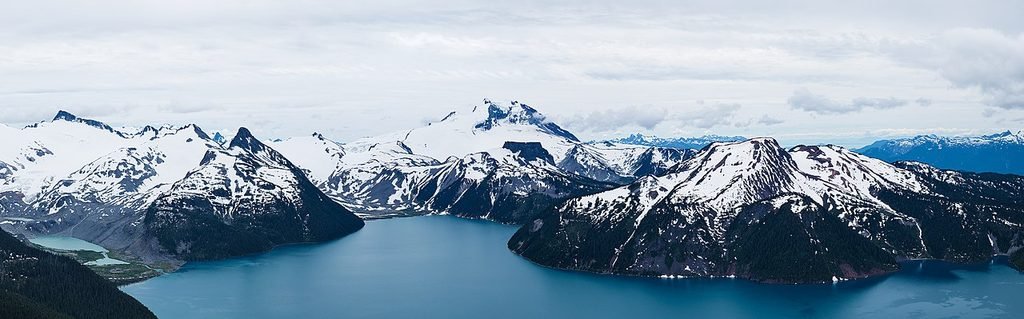
- The Summit: The view of Garibaldi Lake is your reward, but the mission is only half over. You still have 15km of heavy, joint-punishing descent ahead of you.
Don’t hike blind. Our Digital Basecamp includes high-resolution GPX files with these exact phase transitions, pacing calculators, and offline topographical maps. [Button: Access the Digital Basecamp (In Development)]