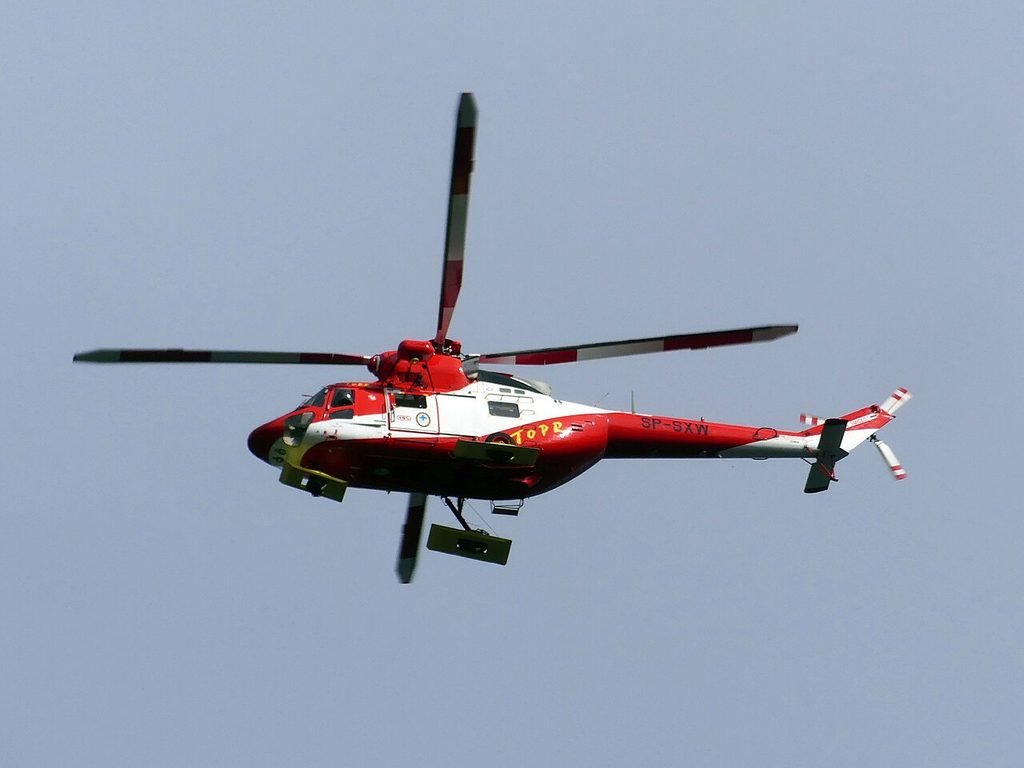
Panorama Ridge Emergency Evacuation: Surviving the Worst-Case Scenario
Hard turnaround times, zero-signal injury protocols, and weather hazard identification to ensure you do not become a Garibaldi search and rescue statistic during a Panorama Ridge emergency evacuation.
1. Panorama Ridge Emergency Evacuation: The Zero-Signal Reality
You cannot call for help.
The most dangerous assumption hikers make is that their phone will save them. Cellular service completely drops off shortly after leaving the Sea-to-Sky highway. For the entire 30km route, your smartphone is nothing more than a camera and a brick.
- The Golden Hour: In severe trauma situations, medical intervention is required within 60 minutes. Without a satellite communicator (like an inReach or Zoleo), a runner must physically descend the trail to reach a ranger station or road to summon help. This can take 2 to 4 hours, pushing well past the golden hour.
- Protocol: Never hike this route without redundant satellite comms. If an emergency occurs, hit the SOS button immediately—do not wait to see if the injury “feels better.”
2. Panorama Ridge Emergency Evacuation: Establishing Hard Turnaround Times
The summit is only halfway.
A common trap is the “summit fever” mentality. Hikers push past their physical limits to reach the top, forgetting they still have 15km of heavy, joint-crushing descent ahead of them. Descending in the dark without preparation is how fatal slips happen.
- The Math: Calculate your sunset time before you leave the parking lot. Work backward, factoring in your average pace (usually slower on the descent due to fatigue) to establish a “Hard Turnaround Time.”
- Protocol: If the clock strikes your Hard Turnaround Time and you are still in Taylor Meadows or on the alpine approach, you turn around immediately. The mountain will be there next year.
3. Panorama Ridge Emergency Evacuation: Catastrophic Injury on the Scree
Immobilization on a 45-degree volcanic slope.
The final scramble (Phase 4) is a prime location for lower-leg injuries. A rolled ankle or fractured tibia on the scree slope requires immediate tactical management, as you cannot easily carry someone down shifting volcanic rock.
- Immediate Stabilization: Move the casualty out of the direct fall line of other hikers to prevent secondary injuries from dislodged rock.
- Thermal Defense: Once a hiker stops moving, their core temperature drops violently. Immediately deploy the static insulation (puffer jackets) and emergency bivvy from your mandatory gear loadout. Hypothermia will kill an immobilized hiker faster than the initial injury.
- Protocol: Dispatch your SOS signal. Send the strongest hiker down to the Taylor Meadows junction to guide Search and Rescue (SAR) or helicopter assets, as the scree face can be disorienting from the air.
4. Panorama Ridge Emergency Evacuation: Alpine Weather Hazards & Whiteouts
Navigating sudden atmospheric shifts.
Garibaldi Provincial Park generates its own microclimates. What starts as a sunny 25°C day in the parking lot can rapidly devolve into freezing rain, dense fog, or a total whiteout on the ridge.
- The Threat: In a whiteout, you lose all visual reference points. The trail disappears, and wandering blindly off the ridge can lead to a fatal fall over a cornice or cliff edge.
- Protocol: If visibility drops to zero, stop moving. Do not attempt to navigate by memory. Boot up your offline GPX tracking on your phone or dedicated GPS. If you do not have digital navigation, shelter in place, deploy your thermal layers, and wait for the weather to break.
Do not leave your survival to chance. Our Digital Basecamp includes offline topographical maps, precise GPS coordinates for helicopter extraction zones, and automated turnaround time calculators. [Button: Access the Digital Basecamp (In Development)]